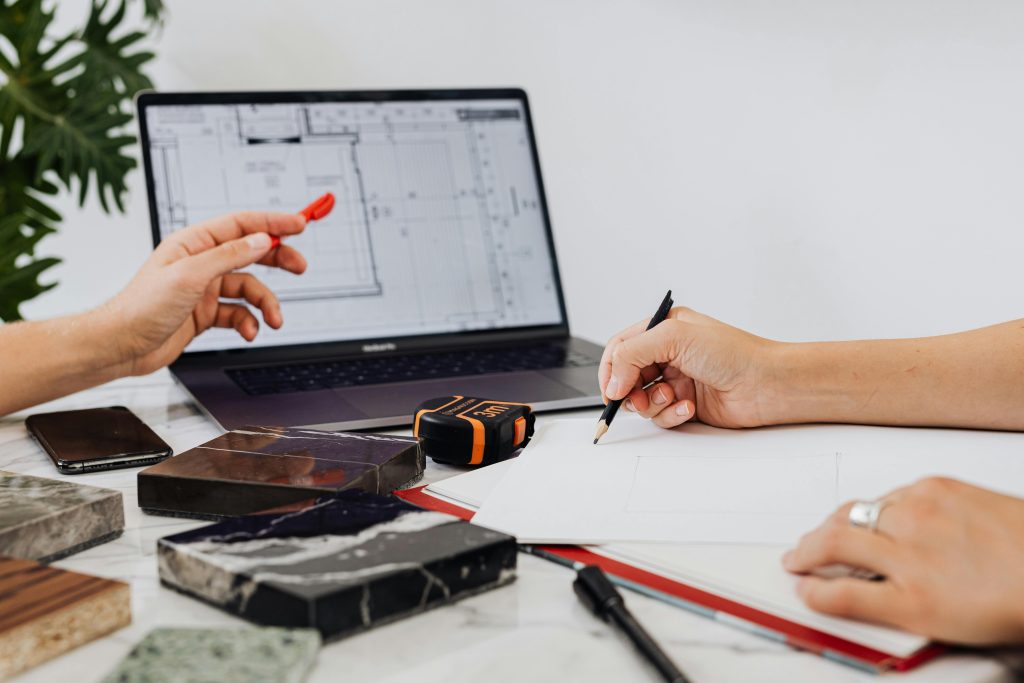
Bathroom renovation is one of the most impactful home improvement projects, both in terms of comfort and property value. A well-planned bathroom upgrade improves functionality, enhances aesthetics, and increases efficiency in daily routines. However, successful renovation requires careful planning, budgeting, and material selection to avoid costly mistakes and ensure long-term durability.
Defining Your Bathroom Goals and Layout Requirements
The first step in bathroom renovation planning is clearly defining your goals. Some homeowners focus on improving aesthetics, while others prioritize functionality, storage, or energy efficiency. Understanding your main objective helps guide every decision throughout the project.
Start by evaluating your current bathroom layout. Identify what works and what doesn’t. For example, limited storage, poor lighting, or inefficient space usage are common issues that can be improved during renovation. Consider whether you want a full remodel or minor upgrades.
Layout planning is critical because plumbing and electrical systems are closely tied to bathroom structure. Moving sinks, toilets, or showers can significantly increase costs, so it’s important to decide early. A well-optimized layout improves movement flow and makes even small bathrooms feel more spacious.
Many modern bathroom designs focus on minimalism and space-saving solutions. Wall-mounted fixtures, floating vanities, and walk-in showers are popular choices that create a clean and open feel.
Choosing Materials, Fixtures, and Finishes
Material selection plays a major role in both the appearance and durability of your bathroom. Since bathrooms are exposed to moisture, humidity, and temperature changes, choosing water-resistant and long-lasting materials is essential.
Tiles are one of the most important design elements. Ceramic, porcelain, and natural stone tiles are commonly used for flooring and walls. Porcelain is especially popular due to its durability and low water absorption.
For countertops and vanities, materials like quartz, granite, and engineered stone offer both style and strength. These surfaces are resistant to stains and scratches, making them ideal for high-use areas.
Fixtures such as faucets, showers, and toilets should be selected based on both design and water efficiency. Modern fixtures often include water-saving technology that reduces consumption without compromising performance.
Lighting is another important consideration. A combination of ambient, task, and accent lighting helps create a balanced environment. LED lighting is widely used due to its energy efficiency and long lifespan.
Finishes such as matte, glossy, or textured surfaces also influence the overall look of the bathroom. Choosing consistent finishes helps maintain a cohesive design theme.
Budgeting and Cost Management for Renovation
Budget planning is one of the most important aspects of bathroom renovation. Without a clear budget, costs can quickly escalate due to unexpected changes or upgrades.
Start by setting a realistic budget based on the size of your bathroom and the scope of work. Full renovations involving plumbing and structural changes are more expensive than cosmetic upgrades like painting or fixture replacement.
It is also important to allocate funds for different categories such as labor, materials, fixtures, and contingency expenses. Experts recommend keeping at least 10–15% of the budget aside for unexpected costs.
Labor costs can vary depending on location and contractor experience. Hiring skilled professionals may cost more initially, but it ensures better quality and reduces the risk of future repairs.
Comparing multiple suppliers and contractors can help you find better deals without compromising quality. Planning purchases in advance also helps avoid last-minute expenses and delays.
Plumbing, Electrical Work, and Structural Considerations
Behind every bathroom renovation lies a complex system of plumbing and electrical work. These elements must be carefully planned to ensure safety, efficiency, and compliance with building standards.
Plumbing systems include water supply lines, drainage, and waste disposal. If you are changing the layout, professional plumbers must ensure proper pipe installation and water pressure balance. Poor plumbing design can lead to leaks and long-term damage.
Electrical work in bathrooms requires extra caution due to moisture exposure. Proper grounding, waterproof outlets, and safe wiring are essential to prevent hazards. Installing exhaust fans also helps control humidity and prevents mold growth.
Structural considerations include wall integrity, flooring strength, and waterproofing. Waterproof membranes are often applied beneath tiles to prevent water seepage. This is especially important in shower areas and wet zones.
Ventilation is another key factor. Good airflow prevents moisture buildup, reduces odor, and improves overall hygiene. Windows or mechanical ventilation systems are commonly used to maintain air circulation.
Final Design Execution and Finishing Touches
Once planning, materials, and systems are finalized, the renovation moves into execution. This stage involves demolition (if required), construction, installation, and finishing work.
Old fixtures, tiles, and fittings are removed carefully to avoid damaging underlying structures. After this, plumbing and electrical systems are installed or upgraded according to the new layout.
Tiling, painting, and fixture installation follow next. Precision is important during this stage to ensure alignment, symmetry, and proper sealing. Even small errors can affect both appearance and functionality.
Finishing touches include installing mirrors, accessories, storage units, and decorative elements. These details enhance usability and complete the overall design aesthetic.
After installation, a final inspection ensures everything is functioning correctly. Water flow, drainage, lighting, and electrical systems are tested thoroughly.
A well-executed bathroom renovation not only improves daily comfort but also increases property value. With proper planning and attention to detail, you can create a space that is both practical and visually appealing for years to come.