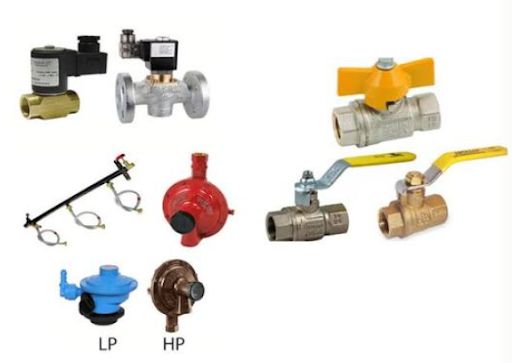
Reliable systems provide heating, cooking, production, and special systems. Crafted gas equipment aids businesses when it comes to supply, pressure, and distribution management. Parts are also appropriate to regulate delivery of gases in various workplaces. For both commercial kitchens and industrial facilities, careful technical consideration must be taken for each application. Proven contractors are able to have a discussion about specifications, compatibility and requirements prior to selection of equipment. Systems, made ready to work by professional installation and regular servicing, perform as designed for the duration. Through informed decision-making, businesses can work out sensible solutions to promote safe and reliable operation.
Reliable Performance
Regular gas provision for necessary daily activities. Appropriate regulators, valves, and connections keep operating conditions appropriate. Fitting parts which are carefully matched assure consistent performance with minimum strain on connected systems. Engineers determine pressure and gas properties that are likely to be encountered and then select the proper equipment. Remove manufacturing instructions to ensure teams can range and comprehend for what reason the components should perform. Inspection also, when carried out regularly, can help to detect areas for professional care or replacement. This systematic procedure ensures the financial sustainability of processes and trust in the day-to-day. The final thing reliable performance enables employees to focus on is the job before them, without having to contend with uncertainties of equipment performance.
Safer Workplaces
Application-suitable equipment is required to be handled responsibly. Safer working conditions from approved components, ventilation, and appropriate protection measures. Connections and setup are evaluated by qualified workers in compliance with appropriate regulations and norms. An honest supplier can also discuss some safety features and correct usage practices. Correct use of gas equipment requires training and understanding of any emergency procedures and inspections. Regular inspections enable a system to be kept in good order without risking improper adjustments. The easier it is for employees to understand the responsibility and the instructions for operating, the more they benefit. These practices contribute to a prevention and care culture in the workplace.
Practical Versatility
The industries require differing technical needs for gas systems. For a catering company, prompt fuel delivery is essential to ensure that meals are prepared. Specific regulators and fittings that are suitable for specific gases and instruments may be needed in laboratories. Properly distributed parts are used in manufacturing environments to facilitate manufacturing activities. The expert advisers assist in matching the product to the operating conditions, not simply because they make assumptions. This gives flexibility in arrangements, depending on the priorities of the day-to-day workplace. Clear specifications also make it easier to communicate between equipment suppliers, installers, and the maintenance personnel. Effective, well-planned solutions provide consistency to a variety of operating contexts.
Simpler Maintenance
Documentation and appropriate components make maintenance easy. Anyone trained will be able to carry out manufacturer-recommended inspection and condition checks. The maintenance records are used to gain understanding of past work and upcoming maintenance. This way, choosing appropriate gas equipment will help you follow proper procedures for replacement and maintenance of the system. Inspection intervals and suggested checks for installations can be explained by a professional. Organized maintenance further aids the manager in arranging the arrival and departure of access with no interference with normal activities. If a person knows their role, it is less likely that important activities would fall through the cracks. Designated maintenance ensures reliable performance and maintains safety as the focus.
Expert Guidance
Supplier understanding of operating needs drives selection improvement. The expert staff explains gas type, gas pressure, connecting options, and standards for products. They provide explanations that aid consumers in determining the differences between products used in various ways. Specifications are also detailed so that installers will have information that can be used to ensure proper system planning. Stability help can proceed as far as customer service guidance and fitting replacement tips in the paperwork. These discussions can help work out decisions together and make things clearer between all concerned. A pleasant supplier relationship can be a sustaining value as facilities change their processes. Know-how simplifies complicated product selections.
Conclusion
Commercial and industrial jobs rely on reliable gas services. When installed properly, suitable gas equipment can control and provide help in the process of delivery. Reliable components help ensure smooth operations, and professional oversight promotes responsible safety practices. Teams are kept up-to-date about the state of the system and the required maintenance needs through these clear maintenance routines. Also, expert suppliers help businesses understand compatibility specifications and requirements. Careful planning helps to make equipment choices more suitable for the role it is required to serve/assist. Organizations can enter into everyday activities with more confidence when installation is qualified and attention is paid to it. Reliable performance starts with appropriate products, knowledgeable advice, and professional treatment.