Laminate flooring once served a clear market role as an affordable alternative to real timber, recognised for its visible limitations like clicking sounds, a plastic sheen, and moisture-induced swelling. These traits defined buyer perceptions and legitimatized criticism of the product’s earlier versions. However, the current laminate wood flooring for sale has evolved significantly beyond these characteristics. The advancements are meaningful and transformative, necessitating a fresh understanding of the product before relying on outdated assumptions associated with earlier iterations. Today’s laminate offers improved quality and aesthetics that better align with consumer expectations for a wood-like appearance.
The Visual Authenticity That Technology Has Produced
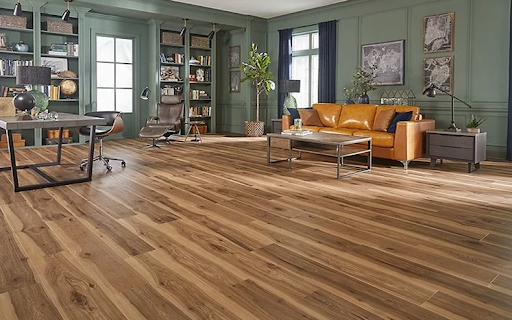
The timber replication technology used in contemporary high-quality laminate has advanced to the point where the visual distinction between laminate and genuine hardwood flooring is genuinely difficult to make from the normal standing and walking distances at which flooring is experienced in a home, and this is a claim that would have been received with justified scepticism at any earlier point in the product’s development. High-definition photographic imaging layers that capture the natural variation of real timber grain — the colour shifts between the heartwood and the sapwood, the knots, the mineral streaks, the subtle surface relief of the grain — reproduce this visual complexity with an accuracy that the earlier generation of laminate imagery, which tiled a simple repeating pattern in ways that became immediately apparent, could not approach. The result is a floor that reads as timber in the way that matters most, which is in the actual domestic environment rather than under the test conditions of critical comparison.
Wear Resistance That Outlasts Expectation
The surface wear layer of contemporary laminate flooring is graded according to abrasion resistance standards that correlate to expected service life in different intensity of use environments, and the higher grades available in the current market significantly outperform what earlier laminate products offered in this critical performance dimension. The practical consequence of this improved wear resistance is that laminate flooring in high-traffic areas of a home — hallways, kitchens, living rooms, and family rooms — maintains its appearance across years of use without the surface degradation that reveals the underlayers and changes how the floor both looks and feels underfoot. Laminate wood flooring for sale in the current market includes products with wear resistance specifications designed for commercial applications which, when used in domestic settings, provide a significant margin of durability that translates into a longer period of appearance retention than domestic use conditions alone would challenge.
The Moisture Performance Improvement
Moisture sensitivity has historically been the most significant technical limitation of laminate flooring and the primary reason it was excluded from kitchen, bathroom, and laundry applications, where the flooring would encounter the water exposure that laminate’s composite core material was not designed to manage without the swelling and delamination that water ingress caused in earlier products. Contemporary laminate products that address this limitation through moisture-resistant core materials and tighter locking joint systems that resist water penetration at the seams between planks have significantly expanded the range of domestic applications in which laminate can be confidently specified, and this expansion into wet-area adjacent applications changes the calculation for homeowners who want to use the same flooring type throughout their home rather than managing the visual discontinuity of a separate flooring choice in kitchen and living areas.
Acoustic Performance and Underlay Options
The acoustic characteristics of a laminate floor — how it sounds when walked on, how it transmits impact sound to the rooms and structures below it, and how much ambient sound it reflects into the room it is in — are performance dimensions that are more significant to domestic comfort than most buyers consider when they are focused primarily on appearance and durability. Floating timber floors of all types produce more impact sound transmission than directly adhered floor coverings because the floating layer resonates with footfall in ways that a glued-down surface does not, and the underlay selected to go beneath the laminate has a significant influence on both the acoustic performance of the finished floor and the underfoot feel that occupants experience when walking across it. The range of acoustic underlay options available to accompany contemporary laminate installations gives buyers meaningful control over this performance dimension that the product’s visual focus sometimes obscures.
Conclusion
Laminate wood flooring for sale in the current market delivers a combination of visual authenticity, wear resistance, moisture performance, installation accessibility, and environmental responsibility that the product’s historical reputation was not built on and that makes it genuinely worth reconsidering for buyers whose impression of the category was formed by the product as it existed a decade or more ago. The floor that was chosen by default when real timber was not affordable has become a product that is chosen deliberately by buyers who have compared it against the alternatives and found that its current performance across the dimensions that matter most in domestic applications makes it the right choice on its own merits rather than simply the most accessible one.