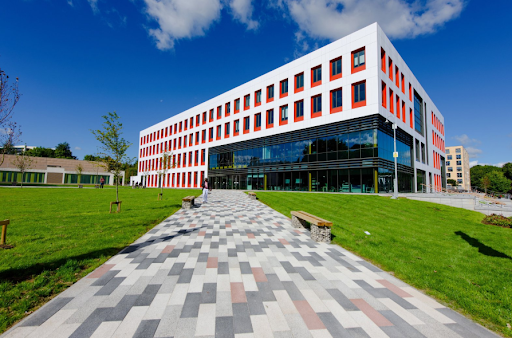
A teacher once described her new classroom as “the first room where I didn’t have to shout by ten in the morning.” That single comment says more about educational construction than any brochure ever manages to explain properly. Nobody walks into a school thinking about acoustics or window angles, yet bodies register these things long before minds catch up consciously. The strange part is how invisible good design actually is, right up until someone experiences the bad version somewhere else. Architects rarely get thanked for a school that simply works, quietly, without anyone noticing the effort behind it.
One primary school spent years blaming a difficult Year Four class for constant noise complaints from neighbouring rooms. Turned out the real culprit was a shared wall with hard, reflective surfaces amplifying every chair scrape and raised voice. Once acoustic panelling went in, the “difficult” class suddenly became manageable, which tells you everything about what was actually happening. Nobody had considered that the room itself was working against the teacher rather than the children misbehaving. This happens more often than schools admit, blaming behaviour for what’s really a construction oversight nobody caught early. Good acoustic planning isn’t decorative, it’s the difference between a teacher managing a room and a teacher fighting it constantly.
The Window That Changed Fourth Period
A secondary school renovation moved several classrooms toward the building’s south-facing side, chasing better natural light deliberately. Teachers reported something unexpected afterwards, fewer students nodding off during that dreaded post-lunch slot everyone dreads. Nobody had planned this outcome specifically, it emerged only after staff started comparing notes across different corridors. Daylight, it turns out, does something to alertness that fluorescent lighting simply cannot replicate no matter how bright. That discovery changed how the school approached its next renovation phase, prioritising window placement over almost everything else. Sometimes the biggest wins in construction aren’t the ones anyone specifically requested beforehand.
Why Corridors Cause More Trouble Than Classrooms
Ask any teacher where the worst behavioural incidents happen and corridors come up surprisingly often, more than classrooms themselves. Narrow, poorly lit transition spaces create bottlenecks, and bottlenecks create the exact friction that turns into shouting matches. One school widened its main corridor during a renovation and reported a genuine drop in reported incidents during changeover times. Nobody expected architecture to affect behaviour that directly, yet the pattern held consistently across multiple terms afterwards. Students arriving at class already frustrated from a cramped corridor bring that frustration straight into the lesson itself. Fixing the corridor, oddly, did more for classroom calm than several behaviour management training sessions combined.
The Room That Refused to Become Obsolete
A school built with movable partition walls in the nineties still functions perfectly for group teaching methods nobody had invented yet then. Compare that with a rigid, fixed-classroom building from the same era, now awkwardly retrofitted at considerable expense and disruption. The difference wasn’t foresight about specific teaching trends, it was simply building in flexibility as a default choice. Headteachers managing older, inflexible buildings describe constant compromise, teaching around the space rather than the space supporting teaching. That flexibility, decided once during construction, kept paying dividends decades later without anyone having to think about it again. Buildings that assume change will happen tend to age far better than those built for one fixed purpose only.
When the Playground Became Part of the Timetable
A school with a covered outdoor learning area started using it for science lessons almost by accident, testing whether it would work. Engagement noticeably shifted, students who drifted off indoors suddenly leaned in, hands actually up, asking genuine questions unprompted. Teachers couldn’t fully explain why, beyond a general sense that fresh air seemed to loosen something in reluctant, quieter students. That space, originally intended mainly for breaktime, ended up scheduled into the actual timetable within a single year. Nobody designed it expecting that outcome specifically, yet it became one of the building’s most-used spaces regardless.
Conclusion
None of these changes announced themselves loudly, they simply made ordinary school days slightly easier for everyone involved. Thoughtful educational construction isn’t really about impressive design, it’s about removing friction nobody consciously notices until it’s gone. Acoustics, light, corridors, flexibility, outdoor space, each one quietly shapes how a school day actually feels to live through. Schools that get these details right rarely announce it, the results just show up gradually in calmer classrooms. Teachers and students both sense the difference, even without being able to fully explain what changed. Sometimes the best construction decisions are the ones nobody ever has reason to mention afterwards.