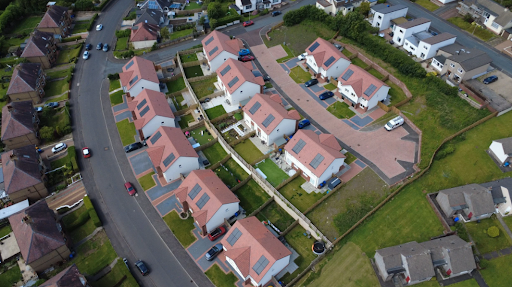
Residential, commercial and mixed-use projects which are built on fresh land or on old sites that were redeveloped are changing the way people in South Africa live, work and invest. Today, new property developments include apartment blocks, gated estates and complete lifestyle precincts with shops, schools and offices. Demand is going up because cities are growing, people want secure living, and interest in modern homes stays strong.
Market is mostly dominated by a few formats.
- Sectional title apartments in city centres and suburbs
- Freehold townhouse complexes
- Security estates and golf estates
- Retirement villages
- Mixed-use precincts with homes, retail and offices together
- Affordable housing projects
Every format is made for a different need. Small households and people who want low maintenance usually go for apartments. Estates are more attractive for families who need space, security and shared facilities.
Where Are Most Developments Taking Place?
Most of the growth is happening in the main economic regions of the country. In Gauteng, big projects keep coming to Sandton, Midrand, Centurion and Pretoria East because of jobs and good transport links. Western Cape has steady activity in the Atlantic Seaboard, Northern Suburbs and the Winelands. In KwaZulu-Natal, the Umhlanga and Ballito corridor is one of the busiest coastal areas for growth. Gqeberha and towns around it in the Eastern Cape also have projects, but smaller in size.
What Is Off-Plan Property?
Off-plan property means a home that is sold before its construction is finished. Sale normally happens with the help of architectural plans and show units. The project is then built in phases. Developer gets funding for the construction in this way, and early buyers can secure a unit in a location that is in demand. Delivery dates can sometimes move, so the track record and reputation of the developer is very important.
Why Are Mixed-Use Developments So Popular?
In mixed-use precincts, homes are placed near shops, restaurants, offices and sometimes schools or clinics. People like it for the shorter travel time, better security and strong community feeling. Urban planners also support this model, as it lowers the pressure of traffic and gives better use of land in cities which are growing fast.
How Are Developments Regulated in South Africa?
There are several legal rules which guide every property project.
- Zoning and municipal approval, where land use must match the local planning scheme and the council has to approve building plans
- Environmental authorisation, which is needed for larger projects through impact assessments
- NHBRC enrolment, where homes are registered with the National Home Builders Registration Council and get a warranty against major structural defects
- Sectional title and homeowners’ association rules, which control shared property, levies and behaviour inside the building
All these layers of control are made to protect the buyers and to keep city growth in order.
What Costs Are Involved Beyond the Purchase Price?
Property purchase comes with some extra expenses. Depending on whether the seller is a registered VAT vendor, either transfer duty or VAT is applicable, and for developers it is mostly the VAT case. Legal fees, bond registration cost and monthly levies for shared facilities are also part of the total amount. After the transfer is completed, municipal rates and utility charges start to come.
What Trends Are Shaping Modern Developments?
Some trends can be seen in most of the recent projects.
- Sustainability, with solar power, water tanks, greywater systems and energy-efficient design, which are now big selling points because of electricity and water supply problems
- Security technology such as access control, perimeter monitoring and smart entry systems
- Remote work spaces, like study areas inside homes and co-working lounges in complexes
- Fibre connectivity, since reliable internet is now a basic expectation
- Compact and efficient layouts, which suit first-time buyers and investors
How Do Developments Affect Local Communities?
When a project is planned well, it brings construction jobs, gives support to local retail and improves infrastructure like roads, water lines and electricity connections. Surrounding property values can also go up. On the other side, fast growth may put strain on the existing services. This is the reason municipalities ask developers to give infrastructure contributions.
Are Developments a Good Investment Option?
Property is seen as a store of value since long time, and modern developments can give rental income and capital growth. Result depends on the location, quality of the build, timing of the market and how the complex is managed. Areas close to transport nodes, business districts, universities and hospitals normally show stronger rental demand. As with any investment, the outcome can be different, and market conditions such as interest rates have a big role.
What Does the Future Hold?
Urbanisation, a growing middle class and the push for greener and smarter living show that construction activity will continue. Old buildings are also being redeveloped into modern residential space, which gives a second life to inner-city areas that were not used properly.
New property developments will keep on influencing where and how South Africans choose to live, with a wide mix of housing styles, lifestyle features and investment opportunities in the main growth regions of the country.